What to Expect During a Drone Pressure Washing Service on Your Commercial Building in San Antonio, TX
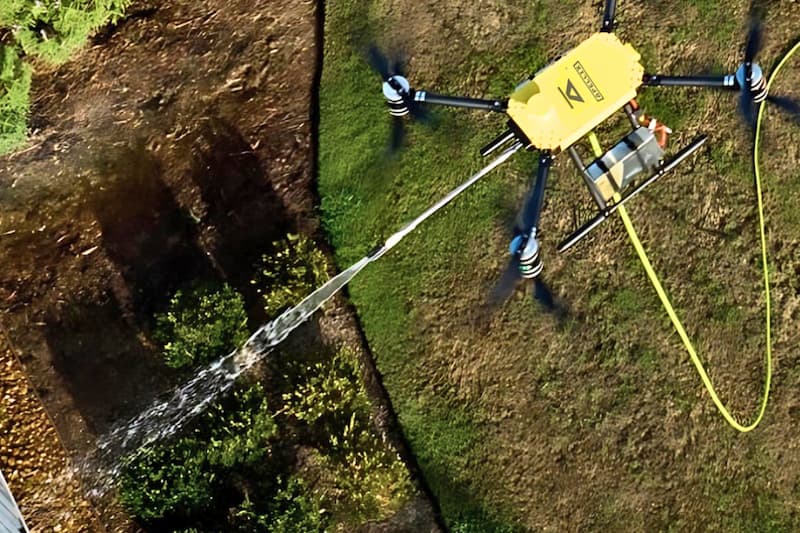
If you manage a commercial property in San Antonio, you want a clean exterior without long downtime or risky lifts. A professional drone pressure washing service delivers fast results with less disruption and a safer footprint for your tenants and team.
This guide walks you through each step, from pre-service prep to the final walk‑through, so you know exactly what will happen on the day of service. When you are ready, you can learn more about our drone pressure washing service and how it fits your building.
Why Drone Pressure Washing Is a Smart Choice for San Antonio Commercial Buildings
Drones reach high façades, canopies, signs, and glass features quickly, which cuts setup time compared to boom lifts and scaffolding. That means shorter lane closures around busy corridors like Downtown, the Medical Center, and Stone Oak.
The method also reduces wear on delicate materials. Operators fine-tune pressure and nozzle distance in real time, protecting EIFS, metal panels, and sealed masonry common across Alamo Heights and Westover Hills. The result is a consistent clean with less risk to your building envelope.
What Happens Before Service Day
A smooth project starts with a short discovery call and a site review. Your project lead will confirm water access, electrical needs for support gear, and the best staging area for takeoff and landing.
- Notify tenants 48 hours ahead so they can plan around brief access limits and minor misting near entryways.
- Reserve 2–4 ground-level parking spots for staging, battery swaps, and safety cones.
- Unlock roof access or designate a secured ground area if roof access is limited.
- Share any known hazards like loose gravel, sensitive landscaping, or recent façade repairs.
- Request housekeeping to remove portable signs, planters, and banners that might flap into the flight path.
Want a quick refresher on seasonal care and building prep? Browse our practical pressure washing tips and pass the most relevant notes to your facilities team.
Site Safety and Access Requirements
Your crew will mark a clear perimeter with cones and caution signage to guide foot traffic. This protects passersby, vehicles, and storefronts while the drone operates near façades and overhangs.
Provide access to restrooms and a secure space for equipment cases. Ensure a reliable water source and let the team know if you use reclaimed water systems or booster pumps that change pressure.
Keep people out of the safety zone during active washing. If there is a loading dock or drive-through near the work area, plan short holds or escort paths so deliveries continue with minimal delay.
What to Expect During the Wash
On arrival, the technician leads a brief walkthrough and confirms the day’s sequence, such as starting on the south façade to beat afternoon sun. They set up cones, stage batteries, and verify weather conditions on site.
Before full production, the operator tests a small area to dial in nozzle angle, distance, and solution ratio. This protects coatings and sealants while lifting grime, soot, and organic growth that build up in San Antonio’s heat and occasional storms.
The drone then follows planned flight paths, applying detergent where needed and rinsing with controlled pressure. Real-time video helps the team catch streaks or missed spots immediately, especially around window mullions, parapets, and architectural fins.
If your building includes attached structures like covered walkways or garage façades, the team sequences those areas last to keep entries open longer. For multi-tenant centers, they coordinate with security so peak lunch or drive times remain clear.
For broader exterior needs, see how our commercial services support garages, signage, and multi-building campuses across the metro.
After the Wash: Results and Next Steps
When cleaning is complete, the operator performs a final rinse and a slow inspection pass. The ground team wipes residual drips at door frames, handrails, and monument signs.
You will get a quick debrief with notes on any façade concerns observed, like cracked sealant joints or clogged weeps. Photos can be provided to help your maintenance team prioritize minor fixes before they become larger repairs.
To keep curb appeal strong through oak pollen and summer dust, most properties schedule exterior washes one to two times per year. If your building faces heavy traffic or sits near construction, you may prefer quarterly light washes to protect finishes and signage.
If you are exploring vendors or just comparing approaches, start at our home base to understand our values and process for drone pressure washing across greater San Antonio.
How to Prepare Your Team and Tenants
Good communication keeps service day predictable and stress-free. Share a one-page memo with tenant managers that includes the date, time window, areas affected, and contact info for your on-site lead.
- Ask security to unlock early and ensure elevator or stair access to the roof if needed.
- Post temporary signs at primary entries the evening before service to guide foot traffic.
- Confirm landscaping timers and misting systems will be off during active washing.
- Plan trash pickup or deliveries to arrive before the team begins, or after they finish a façade.
Your facilities team should also verify that spill kits and floor mats are available at entrances. While overspray is minimized, a few extra mats keep lobbies tidy during tenant peak times.
What a Typical Timeline Looks Like
Every building is different, but here is the general flow you can expect on service day. The crew arrives 30 to 60 minutes early to stage gear and set the safety perimeter. They confirm access points, flight paths, and where tenants will enter during the work window.
Next, the operator completes a test patch. Once settings are dialed in, the drone works in vertical or horizontal passes, starting at the top to avoid re-wetting cleaned areas. Corners and offsets get a second pass to remove stubborn residue.
The team rotates batteries and keeps solution mixed to spec. If a sudden wind shift or pop-up shower moves in, they pause and resume when conditions stabilize. Final inspection includes photos and a walkthrough with your representative before cones come down.
Materials and Surfaces Suited for Drone Washing
Drone washing pairs well with smooth materials and consistent façades. Metal panels, glass curtain walls, painted stucco, and sealed precast all respond well to low-to-moderate pressure with the right spray pattern. Architectural lettering, logos, and backlit signs can be cleaned with gentle passes to protect edges and gaskets.
Historic masonry or fragile substrates may require extra caution. Your project lead will suggest a small test area and possibly alternative approaches for delicate details or areas with active leaks.
Weather and Seasonal Considerations in San Antonio
Heat and UV in summer can bake contaminants onto surfaces, so periodic cleaning helps extend coating life and appearance. Spring pollen and dust from nearby work sites tend to cling to glass and ledges, making scheduled rinses a smart choice for retail and healthcare corridors.
Light, steady wind is manageable, but strong gusts slow production and affect spray control. Build a small buffer into your schedule during stormy weeks. The team will monitor conditions on site and adjust sequencing so your entries stay as accessible as possible.
How We Minimize Disruption to Your Operations
Noise is modest and temporary. Most of the time, conversations at entries can continue with brief pauses as the drone passes. For office towers near tight sidewalks, the safety perimeter is compact and shifts as each façade is completed.
We coordinate with your property team to maintain ADA access and emergency egress at all times. Short holds are planned around peak tenant traffic to keep people moving comfortably through main doors.
Simple Checklist You Can Share With Stakeholders
Here is a concise list you can copy into an email or tenant portal. It helps everyone know what to expect and keeps the day moving.
- Remove sensitive outdoor items such as sandwich boards and portable planters from the cleaning zone.
- Use alternate entry signs while a specific façade is being washed.
- Keep loading dock lanes clear during the scheduled window.
- Report any leaks or façade repairs to the property office before the service date.
Your Next Step in San Antonio
You want a building that looks great and keeps tenants proud to be there. Partner with Drone Washing Solutions for a proven, low-disruption approach that fits retail centers, medical campuses, offices, and mixed-use properties across the metro.
Call us at 210-878-5745 or explore our full drone pressure washing service to schedule a site review and get your building on the calendar.
Ready to see what drone-powered cleaning can do for your property?